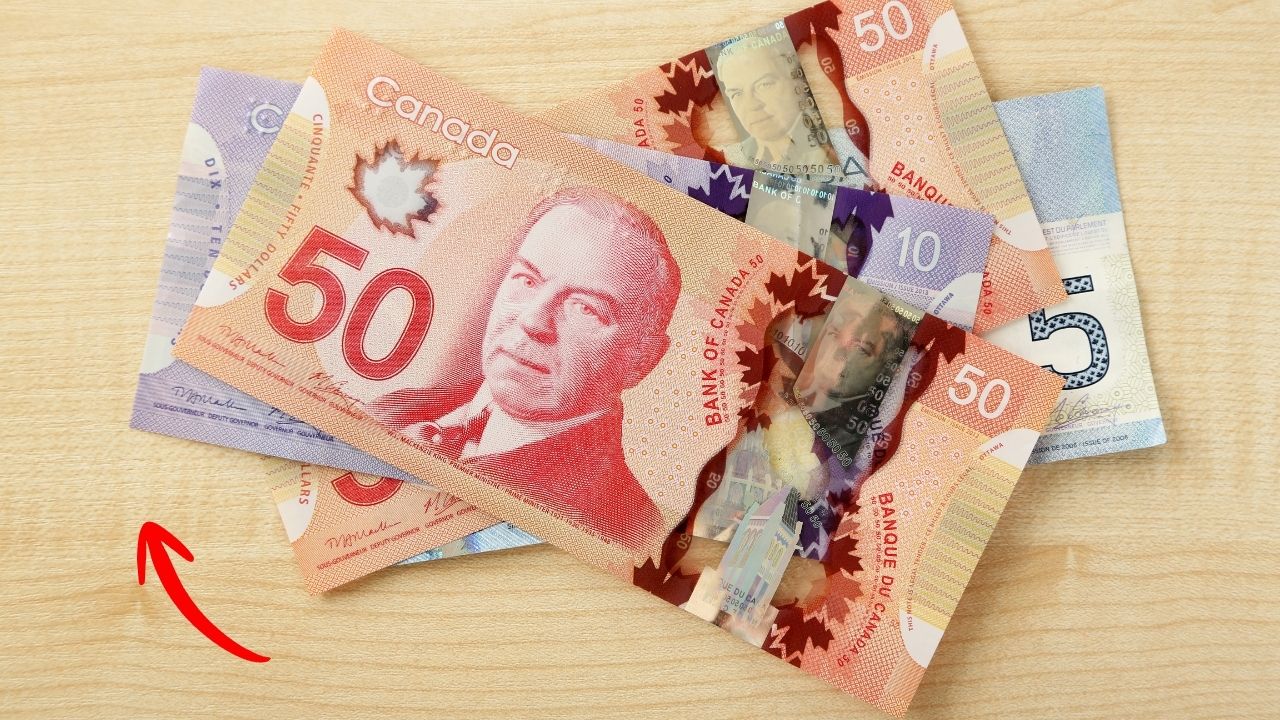
$1120 Carbon Rebate Payment : The Canada Revenue Agency (CRA) has officially confirmed that the next Climate Action Incentive Payment (CAIP) will be issued on December 30, 2025. The year-end payment will provide financial support to eligible households in provinces where the federal carbon pricing system applies.
For a family of four, the annual rebate can total up to $1,120, depending on the province of residence. Since CAIP is paid quarterly, the December instalment represents the final payment for the 2025 calendar year.
The timing is significant, as many households face higher heating, fuel, and grocery expenses during the winter season.
Why the December 30 Carbon Rebate Is Important
The final CAIP instalment arrives during one of the most expensive months of the year. Winter heating costs, transportation expenses, and seasonal spending often increase financial pressure on families.
By scheduling the payment for December 30, the federal government aims to provide additional cash flow before the New Year, helping Canadians manage end-of-year costs more effectively.
This payment also completes the four quarterly instalments for 2025, following payments made in April, July, and October.

What Is the Climate Action Incentive Payment (CAIP)?
The Climate Action Incentive Payment is part of Canada’s federal carbon pricing system. It returns most of the revenue collected from the federal fuel charge directly to households.
The program is designed around revenue neutrality. While carbon pricing increases fuel costs, the rebate ensures that most families receive equal or greater value back in payments, especially those who consume less fossil fuel.
Provinces Eligible for CAIP
CAIP applies in provinces where the federal carbon pricing backstop operates. These currently include:
- Alberta
- Saskatchewan
- Manitoba
- Ontario
- New Brunswick
- Nova Scotia
- Prince Edward Island
- Newfoundland and Labrador
Residents in these provinces who file income tax returns are automatically assessed for eligibility.
How Much Will Families Receive?
Payment amounts vary by province to reflect regional fuel charge levels. Below are the estimated annual totals for a family of four for the 2025–2026 benefit year:
| Province | Annual Total | Quarterly Amount | Rural Supplement (10%) | Annual Rural Total |
|---|---|---|---|---|
| Alberta | $1,120 | $280 | +$112 | $1,232 |
| Saskatchewan | $1,360 | $340 | +$136 | $1,496 |
| Manitoba | $1,056 | $264 | +$106 | $1,162 |
| Ontario | $976 | $244 | +$97 | $1,073 |
| New Brunswick | $760 | $190 | +$76 | $836 |
| Nova Scotia | $640 | $160 | +$64 | $704 |
| Prince Edward Island | $480 | $120 | +$48 | $528 |
| Newfoundland and Labrador | $656 | $164 | +$66 | $722 |
The December 30 payment represents the fourth quarterly portion of these annual totals.
What Is the Rural Supplement?
Households located outside major census metropolitan areas automatically qualify for a 10 percent rural supplement. This addition recognizes that rural residents often face higher transportation and heating costs.
No separate application is required. The CRA calculates eligibility using address information provided on tax returns.
Eligibility Requirements for December 2025 CAIP
To receive the December 30 payment, individuals must:
- Be residents of Canada for tax purposes
- Live in an eligible province
- Have filed a 2024 income tax and benefit return
Income level does not affect eligibility. All qualifying households receive the same base provincial amount, adjusted only for family size.
How Family Size Impacts the Rebate
CAIP payments are calculated based on household composition.
For example, in Ontario:
- Single adult: $244 annually
- Spouse or partner: additional $122
- Each child under 19: additional $61
A family of four receives the full $976 annual amount, divided into four quarterly payments.
The same calculation structure applies in other provinces, adjusted for their respective totals.
How Payments Are Delivered
The CRA issues CAIP payments primarily through direct deposit. This is the fastest method and ensures funds arrive on December 30.
Those not enrolled in direct deposit will receive a paper cheque by mail, which may take additional business days.
Payments will appear labelled as “Climate Action Incentive Payment” in bank statements.
What to Do If Your Payment Is Missing
If your payment does not arrive within 10 business days of December 30, the CRA recommends:
- Confirming your 2024 tax return has been filed and processed
- Checking your banking information in CRA My Account
- Verifying your address and residency details
- Contacting the CRA if the issue continues
Payments can be reissued once account information is corrected.
How CAIP Fits Into Canada’s Climate Strategy
The Climate Action Incentive Payment is central to Canada’s carbon pricing approach. Nearly all fuel charge revenue is redistributed:
- Approximately 89 percent goes directly to households
- Around 6 percent supports small businesses and farms
- About 5 percent funds Indigenous and remote energy initiatives
This system maintains consumer purchasing power while encouraging lower emissions.
Total CAIP Spending for 2025–2026
Federal projections estimate CAIP payments will exceed $7.4 billion during the 2025–2026 fiscal year. This highlights the scale of the program and its role in offsetting carbon pricing costs for Canadian households.
Looking Ahead to 2026
Quarterly CAIP payments are expected to continue into 2026. As the federal carbon price increases from $80 per tonne in 2025 to $95 in 2026, rebate amounts may rise modestly to reflect higher fuel charge revenues.
The government is also reviewing potential adjustments to rural and Northern supplements in future payment cycles.
Frequently Asked Questions (FAQ)
1. When will the December 2025 carbon rebate be paid?
The CRA will issue the Climate Action Incentive Payment on December 30, 2025.
2. How much can a family of four receive?
Depending on the province, a family of four may receive up to $1,120 annually, plus a 10 percent rural supplement if eligible.
3. Do I need to apply for CAIP?
No. The payment is automatic once you file your income tax return and live in an eligible province.
4. Is the CAIP payment taxable?
No. The Climate Action Incentive Payment is non-taxable.
5. What happens if I moved provinces during 2025?
Your December payment is based on your province of residence as of December 1, 2025.
6. Do students and seniors qualify?
Yes. Anyone who meets residency and tax filing requirements qualifies, regardless of age or employment status.
7. What if I missed an earlier payment?
Late tax filing can delay eligibility. Once your return is processed, payments may be issued retroactively if applicable.